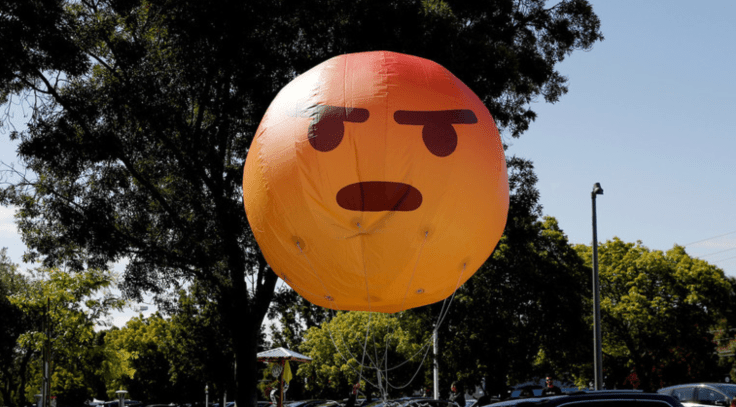
Facebook has issued an ominous new policy permitting death threats and calls for violence – so long as they’re directed against “dangerous” individuals or organizations, or someone accused (but not convicted) of a crime.
Facebook has updated its “community standards” to carve out a few exceptions to its “no death threats” policy. Calls for “high-severity violence” are now permitted, as long as they’re directed at individuals “covered in the Dangerous Individuals and Organizations policy” or individuals “described as having carried out violent crimes or sexual offenses” by media reports. After all, are people banned from Facebook really people at all?
‘No future for dissidents’ on social media: Paul Joseph Watson reflects on Facebook ban

The change was spotted on Tuesday by commentator Paul Joseph Watson, who along with his former Infowars boss Alex Jones was one of a handful of mostly-conservative personalities banned from Facebook in May under its “Dangerous Individuals” policy. Back then, even mentioning one of the banned names could get a user banned – unless the mention was derogatory.
Facebook has apparently taken that “hate the haters” tactic and run with it. While the “Dangerous Individuals” policy supposedly only covers “terrorist activity, organized hate, mass or serial murder, human trafficking, and organized violence or criminal activity,” none of the commentators banned – including Watson, Jones, conservative political performance artist Milo Yiannopoulos, and Nation of Islam leader Louis Farrakhan – were involved in any of those activities. But, Watson discovered, a person wearing an Infowars t-shirt is enough to get a photo removed from Instagram, and photos that include banned individuals – even if their faces are blurred out – have been deleted as well.
Equally ominous is Facebook’s decision to dispense with the concept of “innocent until proven guilty” that forms the core of the US legal system (Facebook is based in Menlo Park, California, and at least theoretically subject to US laws). Individuals need only be accused in the media of violent crimes and sexual offenses to become fair game for death threats – not convicted in court. For a company that claims to take the threat of “fake news” very seriously, Facebook is surprisingly cavalier about the potential for media misinformation to lead to violence.
But then, Facebook never even tried to prove Watson, Jones or any of the other banned users were “Dangerous Individuals,” either – its policy has always been that banned users are guilty until proven innocent, as any user who’s ever been forced to jump through its tech support hoops to restore a banned account can attest.
“The largest social media company in the world with over 2 billion users literally says it’s fine to incite violence against me, despite this being illegal,” Watson wrote at Summit.news, pointing out that sending death threats or threats of violence is, in fact, a crime under UK law (as it is under US law and the laws of most developed countries with substantial Facebook-using populations).

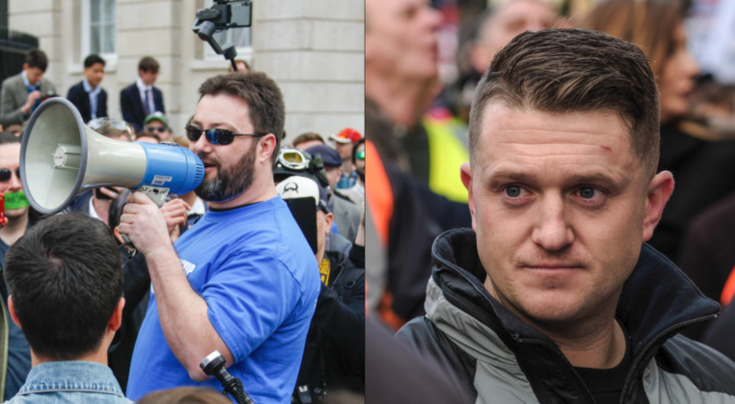
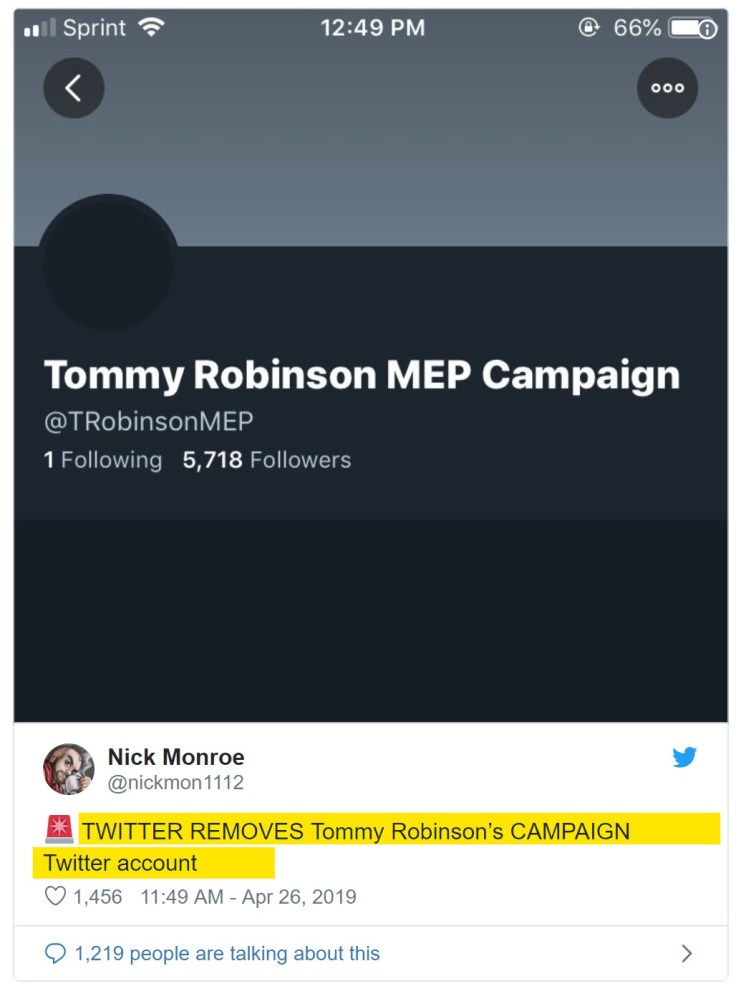
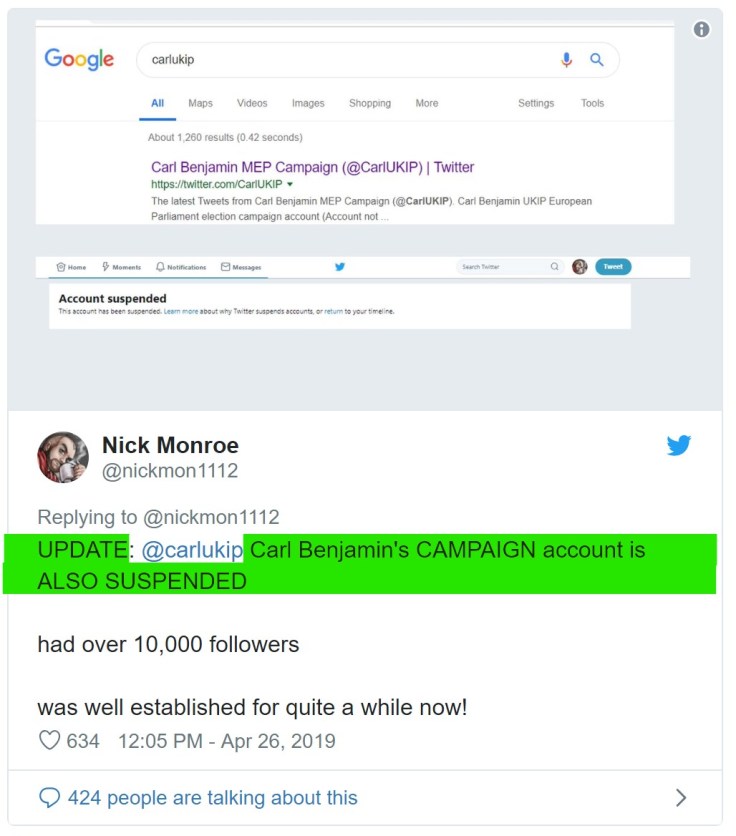
Facebook even tracks off-platform behavior to determine whether users should be blacklisted as “hate agents,” according to internal documents seen by Breitbart, meaning merely showing up at the same event as a “dangerous individual” can potentially earn a user the designation. The site’s list of “hate agents” is reportedly quite exhaustive and includes British politicians Carl Benjamin and Anne Marie Waters as well as conservative commentators like Yiannopoulos and Candace Owens. Because all this classification goes on in secret, users have no chance to appeal their un-personing, and may never even know they are being judged, until they start receiving Facebook-approved death threats of their own.
 Tom's Blog