By Dr. John Campbell – 3/24/2020
For American audiences the thing to remember might be: “Would you rather be 6 feet apart or 6 feet under?”
By Olivia Messer – 3/24/2020
Some emergency room doctors in the U.S. have already tested positive for the virus, and other medical providers have personally prepared for the possibility of infection—creating wills, isolating off parts of their houses from the rest of their families, recording bedtime stories for their children on their phones. But what happens to an already-cascading national health crisis when, even if equipment shortages are resolved, medical personnel are falling out of rotation?
Without concerted action to protect healthcare workers, experts said, America could be facing a shortage when its citizens need them most.
Irwin Redlener, director of the National Center for Disaster Preparedness at Columbia University and an expert on U.S. readiness for pandemics, said there were three main ways to staff hospitals if a large number of providers get sick.
The first scenario is already playing out in New York City, where retired health officials—doctors, nurses, administrators, dietitians, and more—were recently asked to join the Big Apple’s medical reserves. More than 1,000 retired healthcare professionals and private practice physicians answered the call in just one day last week.
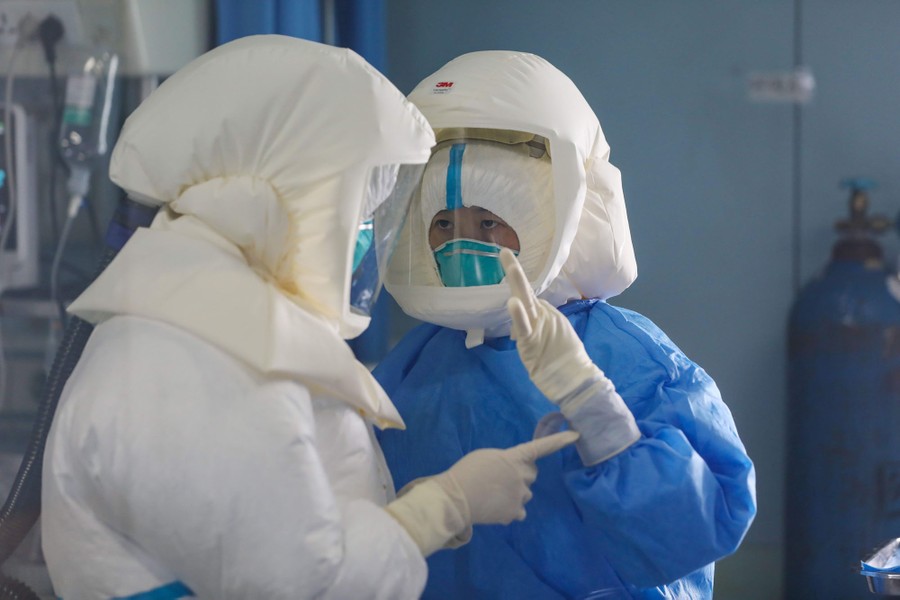
“Many of us in the business are worried about this, about the back-up plan for if they’re ill or have to stay home or—God forbid—don’t survive,” said Redlener. “The only problem with bringing in retired people is that they’re older, and many will have preexisting conditions.”
Then there’s the federal National Disaster Medical System, which exists to supplement health and medical systems during times of crisis. The system has sent reserve doctors from all over the country to respond to emergencies, including the aftermath of natural disasters like Hurricane Sandy. The pool of doctors and nurses from the system can be requested by federal, state, local, tribal, or territorial authorities.
But those resources are finite, and travel is no simple matter in the face of a creeping trend toward nationwide lockdown.
“If we’re dealing with a single major disaster someplace, then we have enough for that, but if we have clusters all over the country pop up, it becomes a problem because there’s so much demand across the board,” Redlener said. “For every health professional we call up, we take them away from their regular jobs, which are also critical.”
A physician might not, for example, be able to take off to help treat the outbreaks in Washington state or New York if their own hospital is having trouble with staffing because of the spread of infection there.
A third option Redlener cited would invoke the use of international medical graduates who have been educated, trained, and employed as physicians or nurses in other countries, some of whom already live in the U.S. and are waiting to be placed in an American gig.
“If you’re moving to the U.S. and want to practice medicine here, you usually have to take a residency all over again in the U.S., and it’s very difficult to secure places in those programs,” he explained. “For those people, it’s time to think about waiving the requirements to repeat a full-blown residency.”
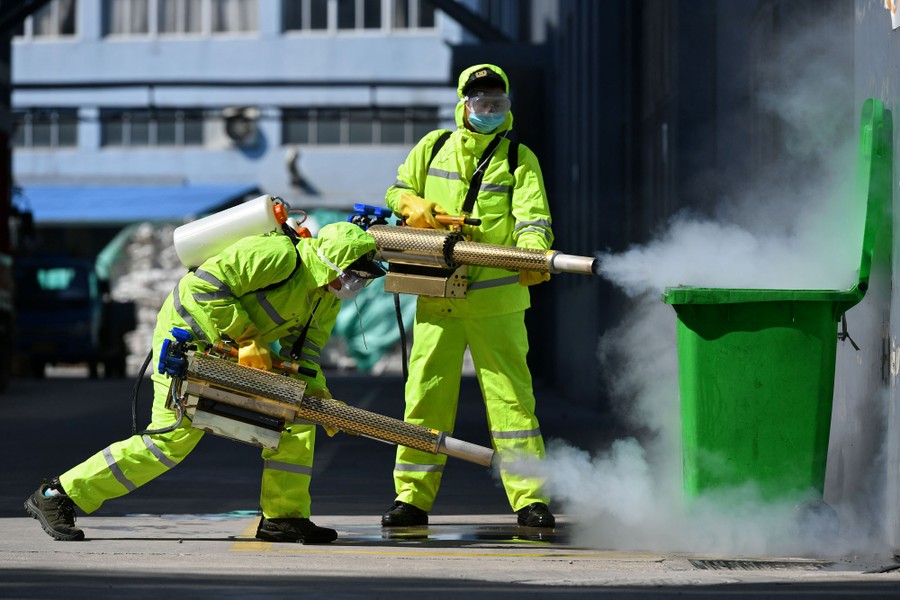
Of course, none of this would feel as precarious if it weren’t for the dire shortage of personal protective equipment, including masks, for medical professionals, which federal officials have promised to shore up.
Many hospitals have lowered standards of care, delayed elective surgeries, and begun utilizing telemedicine in unprecedented volumes to accommodate the potential surge of critically ill patients, as Slate reported.
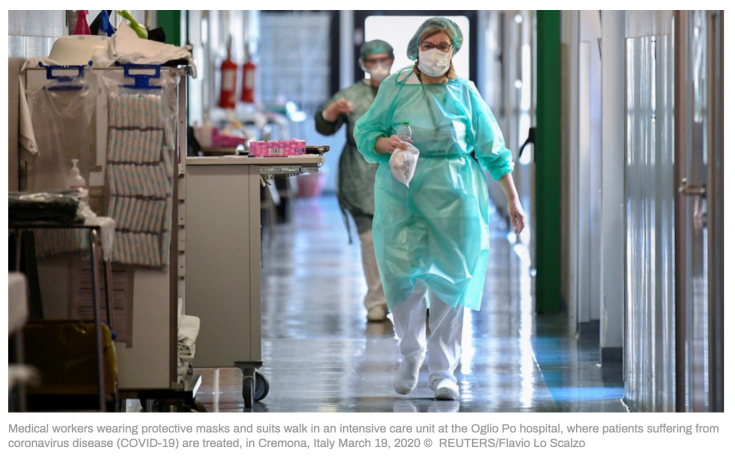
For better or for worse, the options in the U.S. mirror what’s been done in Italy to handle the dramatic caseload of more roughly 60,000 patients. As of last week, more than 2,629 health care workers in Italy had reportedly contracted COVID-19. Throughout the country, medical students and nurses have graduated early to work in the field, technicians and medical assistants in training were fast-tracked to the front lines, the country’s health ministry has asked retired doctors to return to work, and health workers have put in double shifts with few breaks.
Health providers also succumbed to the coronavirus in China—including a whistleblower in Wuhan who tried to call attention to the deadly disease. But safety measures largely implemented in Hubei province to protect healthcare workers were meticulous, according to William Haseltine, president of the global health think tank ACCESS Health International, who recently chaired the U.S.-China Health Summit in Wuhan, where the virus is believed to have originated.
“All of their healthcare workers were outfitted with high-quality hazmat outfits—not makeshift,” said Haseltine. “If you were in what’s called ‘controlled quarantine’ in a hotel room, the person who delivered your food was in a hazmat outfit. The people who came in to clean your room were in full hazmat outfits and cleaned your room with Lysol every day.”
Meanwhile, in the U.S., in addition to nationwide supply shortages for protective gear, precautions and preparations vary from state to state.
“We have contingency plans, a command center, cross-site privileges for staffing, so we can move bodies around if needs arise and staff gets sick,” said Rob Davidson, an emergency physician at Spectrum Health Gerber Memorial in Fremont, Michigan. Davidson also serves as executive director of the Committee to Protect Medicare, a self-described public advocacy and grassroots lobbying group that works “to persuade elected officials to support health care for all Americans.”
“We’re preparing for this, but don’t know when it’s going to hit and how bad,” he told The Daily Beast on Friday. As of Monday morning, the total number of cases in Michigan had more than doubled, surpassing 1,000. At least nine people had died.
Davidson said he knew of at least one physician at risk of severe infection who transferred his practice to telemedicine, and Davidson said that his family decided he should isolate himself in the basement of their home if he comes into contact with a positive patient that requires intubation or other intense exposure.
“Our dedication is to doing the right thing for our patient, and what if we can’t do good enough medicine, or end up choosing who lives and who dies just because there were too many patients?” asked Davidson. “The nightmare scenarios that you hear playing out in Italy, that’s where none of us want to be.”
Do you know something we should about 2019 novel coronavirus, or how your medical providers are responding to it? Email Olivia.Messer@TheDailyBeast.com or securely at olivia.messer@protonmail.com from a non-work device.
He was far from alone in wondering how the system might respond.
“The entire hospitalist team at my hospital is terrified,” said an internal medicine doctor in Ohio who asked to remain anonymous over fear of retaliation from her employer. “Our worst fear is contracting the virus and spreading it to our spouses and children. We are worried about our patients, of course, but none of us want our personal decision of becoming a doctor—and serving on the front lines—to adversely affect the ones we love.”
She said that older doctors in her practice—primarily those with grown children and no loans—have mentioned that they’ve considered quitting.
“Fear of harming your family will lead to those thoughts in even the most virtuous physician,” she said.
A pharmacy executive who works at a rehabilitation hospital in Austin, Texas—and who also requested anonymity over fear of professional retaliation—described a similar calculus.
“My wife is a surgical physician’s assistant, and I work with elderly people, on average in their seventies, who are mostly recovering from strokes and hip surgeries,” he said, adding that his 71-year-old mother lives in his home and helps care for his one-year-old baby with a congenital condition who is vulnerable to severe infections—and his kindergarten-aged daughter.
After reading what he called “horror stories” about “not enough gowns, not enough masks,” the pharmacist said he and his wife began discussing contingency plans for the possibility that they could end up in the intensive care unit after contracting the disease.
“Worst case scenario, my kids lose both parents,” the pharmacist said, adding that he was processing his fear the way many other Americans were: “wine and denial.”
Dr. Bernard Ashby, a vascular cardiologist based in Miami Beach, Florida, told The Daily Beast that high numbers of sick—or dead—medical providers is “a plausible scenario given that we’re not protecting them.”

“That would spell out disaster for our patients and our healthcare system,” Ashby said, adding that, like most doctors, he’s more worried about becoming a vector than about getting sick himself. “I have a newborn child and a mother with chronic illness. I’m very concerned about spreading it to my family, so I’m currently self-isolating from them. It’s tough.”
“There’s been a failure of leadership at multiple levels, and because of that, the healthcare system will get overwhelmed, and a lot of people will suffer unnecessarily,” said Ashby. “We will suffer unnecessary casualties as a result of a lack of proactive measures to mitigate this pandemic.”
Ashby said that hospitals all over the country should be screening the temperature of providers as they come into work and testing hospital staff more readily, which has not yet been possible because of the nationwide shortage of diagnostic kits.
But based on the federal response to the crisis and the lack of supplies in the U.S., said Haseltine, “We’re on the Italian track.”
Losing doctors and nurses to the coronavirus “is going to be devastating,” he continued, noting that the overwhelming fear “is already psychologically extremely damaging to our healthcare workers.”
And as a country, he said, “It puts us in even higher jeopardy.”
“It is credible to estimate that there are 10 positive cases for every one officially reported,” Borrelli told La Repubblica newspaper on Monday.
The latest figures show almost 64,000 people have been infected and 6,077 have died from the infection in barely a month, making Italy the worst-affected country in the world, with close to double the number of fatalities in China, where the virus emerged last year.
Medical experts confirm that Italy has focused its testing only on people showing severe symptoms in areas with high epidemic intensity like Lombardy, Emilia-Romagna and Veneto in the north of the country, thus it is difficult to say the real numbers.
“This causes an increase in the fatality rate because it is based on the most severe cases and not on the totality of those infected,” says Massimo Galli, head of the infectious disease unit at Sacco Hospital in Milan.
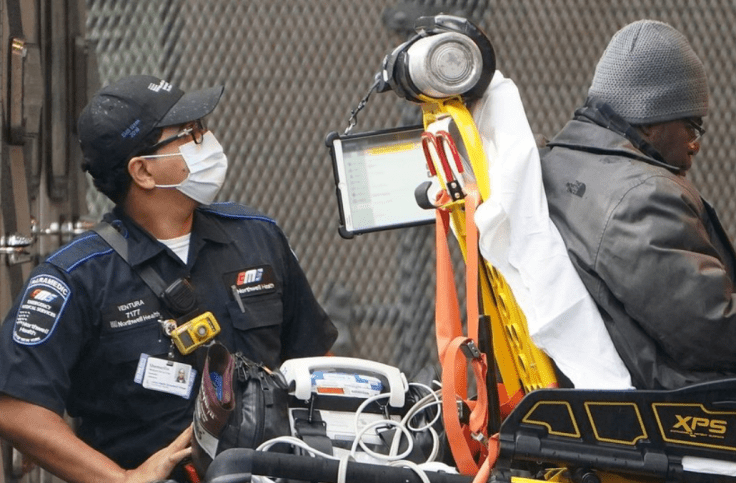
Italy reported 602 new deaths from the coronavirus on Monday. The number of fatalities dropped for a second day in a row, after reaching an all-time high of 793 on Saturday.

MARCH 24, 2020
Carlson highlighted several parts of the 1,400 page House Democratic bill, which is stuffed with pork, and noted that most of it is about being ‘woke’ rather than fighting the killer virus.
“The bill would require every corporation that receives coronavirus aid to have officers and a budget dedicated to diversity and inclusion initiatives for a minimum of five years after they get the money,” Carlson noted.
“Because that is going to keep America healthy and prosperous, just like it has,” Carlson sarcastically emphasised.
“Companies would also have to produce elaborate racial reports for the government listing the skin color and the sex of their officers and boards of directors. They have to prove they give enough money to firms owned by women and nonwhites, and of course how much they spend on diversity initiatives,” he continued, pointing to the relevant sections of the bill.
Carlson noted that the bill “uses the words diverse or diversity more than 60 times.”
“What does that have to do with the pandemic that might kill you?” he asserted, adding “Not one thing. Just more ugly race politics, the kind they specialize in.”
“This is insanity, it’s dangerous insanity,” he proclaimed, adding “Who cares what color your scientists are?”

By Shane Trejo 3/24/2020
The providers of these doomsday bunkers are reporting a drastic increase in business, with coronavirus hysteria causing at least one economic sector to boom.
“As unpopular as coronavirus is, it’s getting the publicity of a Backstreet Boys hit in the ‘90s,” said Gary Lynch, general manager of Texas-based Rising S Bunkers. “People have an infatuation with it.”
Trending: Dr. Fauci Wants America to Become a Police State Like China in Order to Stop Coronavirus
Business is good for Lynch and other bunker manufacturers, as the ultra rich scramble to use their remaining wealth to seclude themselves. There is no limit to the luxuries that can be provided in a modern bunker, with many of these bunker models resembling mansions.
“Movie theaters are common,” Lynch said. “We built one in California that has a shooting range, swimming pool and bowling alley.”
Lynch offers 24 different options for individuals wishing to purchase a bunker. The smallest model costs $39,500 and includes a custom air filtration system, bunk beds, a functioning toilet, and a kitchen counter. A more decadent set-up is the Fortress, which costs $1.009 million, including 15 private bedrooms, 42 bunk beds, a panic room, and a room to house guns.
The most garish model of all is the Aristocrat, which features a sauna, hot tub, swimming pool, gym, greenhouse, billiards room and garage. It costs an incredible $8.35 million to construct and is off limits to all but the super rich. Coronavirus is causing a run on these types of shelters, Lynch explains, as high-class Americans realize the necessity of extreme preparedness.
“In 2008, I talked to a guy for four-five months who was thinking about purchasing a shelter. I think he probably used the coronavirus to convince his wife, because he finally just bought one,” Lynch said. “That’s how most buyers are; they’re not in it for one single reason.”
The providers of these bunkers feel they are supplying a much-needed service in the market to alleviate the authentic fears of families in an increasingly topsy-turvy world.
“We don’t create fear. We resolve it. The true elite all have backdoor plans. They’re jumping on planes and flying to islands,” said Robert Vicino, who is CEO of the shelter-building company Vivos. “We give people the peace of mind that they have their own backdoor solution for when it’s time to take shelter.”
Vicino noted that his clientele has moved from middle class to upper class in recent months, as the wealthy no longer feel insulated from the rest of society from their gated neighborhoods. He reports that interest in his bunkers are up 1,000 percent year-over-year, and sales are up 400 percent, as doomsday fever sweeps throughout America.
“As long as time permits, we will continue to build bunkers. This world won’t be safer tomorrow,” he added.
For the Americans without the wealth to retreat from society, they will have to deal with a tumultuous and dangerous reality for their loved ones as the coronavirus pandemic continues without any sign of slowing.
By Mike Carter

The disease caused by the virus, COVID-19, has proved particularly lethal to the elderly and those with underlying health conditions, and the scientists at the school’s Center for Innate Immunity and Immune Disease have been tasked with trying to understand why in these cases the new virus overwhelms the body’s natural defenses, while in most people it causes only moderate or even mild illness.
The new virus has some unusual characteristics that haven’t been seen in other SARS (Severe Acute Respiratory Syndrome) outbreaks, both in the way it attacks the lungs and how it can infect people quietly, where they will have few or no symptoms for days or weeks but still spread the disease, said Dr. Michael Gale, a professor of immunology at the UW and the center’s director.
“There’s a lot we don’t know,” Gale said. “We don’t know how it interacts with the cell. We don’t know how it invades it. We don’t know how it overcomes the cell’s innate immune system.”
These are all questions that Gale and his team of scientists, working with others around the world, hope to answer as they begin to understand the pathology of the novel coronavirus. That information, in turn, will inform both treatment and prevention of the disease, he said.
“What we do know is that this SARS is very successful in taking over the cell,” he said. So successful, in fact, that the body’s reaction to that takeover can be so violent and overwhelming that, in essence, it ends up killing itself.
Earlier this month, the King County Medical Examiner’s Office released a list of the first 22 people in King County to die from COVID-19 before announcing that it was no longer taking jurisdiction over SARS deaths. The list identified patients, their age and their gender, and listed the cause of death and contributing factors. Gale and another noted immunologist and pathologist, Dr. Julian Leibowitz at Texas A&M University College of Medicine, reviewed the list and remarked on how the information fits with what is known and being learned about COVID-19 and how it attacks the body.
Both were cautious to point out that the information was extremely limited and did not contain autopsy reports, tissue-sample slides or other detailed information they would need to provide anything more than general observations.
Leibowitz, however, said he has reviewed detailed results of a COVID-19 autopsy performed in China and published online. What he was able to glean from the medical examiner’s list led him to conclude the pathology was similar.
“This follows the pattern of SARS in general,” he said. “This virus clearly causes a viral pneumonia” similar to the SARS outbreak in 2003 that infected 8,089 people around the world. Like that outbreak, he said, the chance of serious illness or death is significantly higher in older populations, he said. The average age of the individuals on the medical examiner’s list was 66, with the oldest being 98 and the youngest 44.
But this new coronavirus is likely more infectious, certainly more insidious, and more lethal that the ‘03 SARS virus. That outbreak killed 774 people before being contained in about nine months. COVID-19 has infected more than 208,000 people worldwide and killed nearly 8,700 of them, and has spread into a pandemic.
Leibowitz said one thing really jumped out at him from the King County list: the number of cases of cardiomyopathy, a hardening of the heart muscle that can be caused by a drastic immune response. Four of the 22 King County fatalities had cardiomyopathy listed as the primary cause of death.
Similarly, an article published Thursday in the Journal of the American Medical Association detailing a review of the outcomes of 21 COVID-19 patients admitted to the Intensive Care Unit at Kirkland’s EvergreenHealth Medical Center made a similar observation, finding cardiomyopathy developed in seven of the 21 patients. At the time of publication, 14 of the 21 had died.
“It is unclear whether the high rate of cardiomyopathy in this case series reflects a direct cardiac complication of SARS-CoV-2 infection or resulted from overwhelming critical illness,” the article stated, calling for additional research.
Leibowitz believes it is likely a result of the body’s immune system trying desperately to stop the virus, causing massive inflammation throughout the heart and lungs and, in some cases, damaging other organs as well.
The workings of the immune system is what Gale’s UW scientists are focused on, specifically the “innate” portion of the body’s defenses — mechanisms genetically coded into every cell to protect it from infections and damage. They activate almost immediately when the body detects an invader.
Gale said his researchers are working to understand how SARS-CoV-2 manages to defeat these mechanisms to invade a cell and take it over, forcing it to replicate copies of the virus even as it is destroyed. Those virus copies then go on to infect other cells and the process repeats in a cascading infection.
“Right now, its replication strategy is unknown,” Gale said during a recent interview outside the Bio-Safety Level III laboratory in South Lake Union where his scientist opened the vial of SARS-CoV-2 this past week. Gale asked that the exact location of the laboratory be withheld for security reasons.
“What we know is that the virus physically destroys the lung tissue as it replicates in the cells,” he said. Gale said the tissue damage he’s seen bears similarities to the damaged lungs of victims of the 1918 influenza-A pandemic, which infected one of every three people and killed 50 million people — roughly 3% of the world’s population.
Gale has worked with and studied the 1918 H1N1 flu virus as well after a live specimen was recovered in 2007 from the remains of an Inuit woman who was buried in the Alaskan permafrost after dying during the pandemic.
“That virus physically destroyed the cells, as well,” he said.
A Morbidity and Mortality Report issued Wednesday by the Centers for Disease Control and Prevention states that preliminary data from the initial outbreak in Wuhan, China, shows the majority of COVID-19 deaths in those 60 and older.
Leibowitz said the vulnerability of older patients is likely explained at least in part because, as people age, their cells lose their ability to grow, divide and protect themselves through a process called “senescence,” a word derived from the Latin “senex,” which means “old.”
“The immune system becomes sluggish, sleepy,” he said.
Add to that another health issue — diabetes or kidney problems — and the tired immune system can be even further taxed.
“When a person has an underlying health issue, it engages an immune response at some level,” Gale explained. This can result in inflammation as the body attempts to grapple with the issue. “Your body is distracted, and it can’t deal with other insults.”
“It becomes a race,” said Leibowitz, who has studied coronavirus. “The virus tries to spread and make more virus in order for it to be successful in nature.
“In the meantime, your immune system tries to kill the cells that are infected,” he explained. If you are young and healthy with a robust immune system, then not as many cells will be affected.
“But if your innate immune system isn’t strong, then the virus is more successful and your body’s response will be prolonged. That means more cells will be damaged by the immune system as it tries to keep up with the virus.
“And that,” he said, “is not good for your lungs.”
The other “striking” issue with SARS-CoV-2 has been its apparently easy transmission and contagion, Leibowitz said.
“What is scary to me about this SARS compared to the outbreak in 2003 is that back then, asymptomatic patients did not transmit the disease. You had to have a fever to be contagious,” he said. “This disease can be transmitted silently by people who don’t know they are sick and show few or no symptoms of being infected.”
(EDITORS: STORY CAN END HERE)
That surreptitious transmission strikes Gale, as well, who noted that of the first 22 people who died in King County from COVID-19 — the individuals listed on the medical examiner’s document — most had been patients at Life Care Center of Kirkland, a long-term nursing facility that became ground zero for the pandemic in the U.S. At last count, Dr. Jeffrey Duchin, the chief public health officer for Public Health — Seattle & King County, said 23 care facilities had reported patients or staff with confirmed COVID-19 infections.
“The 2003 SARS outbreak was more acute,” Gale said. “Here, we have up to two weeks with people asymptomatic and, in some cases, kids don’t get sick at all. They’re little vectors.
“You have to ask yourself, ‘Why do you think all the nursing homes and care centers get hit?’ ” he asked. “I can tell you: It’s because grandparents got visits from grandkids.”

By Peter Andrews
Economics is the study of choices, and never more so than now. It’s now clear that, with the coronavirus pandemic causing widespread chaos that economists believe will cause a prolonged economic depression, the choices that each person makes have the power to affect their country’s and the world’s economy over the coming weeks and months. With the caveat that much depends on those individual choices and the actions of governments, here is our current assessment of which places are likely to be worst-hit economically, as well as a few that might come out rosier than most.
Singapore might be the perfect recipe for coronavirus containment. A rich city-state with a world class universal healthcare system, a pandemic response plan in place ever since they were badly hit by the SARS virus in 2003, and healthy lashings of state-enforced social control mean they quickly knew exactly how and where 100 of their first 112 confirmed cases became infected. Astonishingly, their non-oil exports grew in February, owing mostly to an increase in shipments of pharmaceuticals and various manufactured goods to America, Japan and the EU. Their regional trade with China and the rest of Southeast Asia will suffer, though, and their economy is a trade-based one. Therefore, they are likely to enter a recession this year, along with the rest of the world. But the early signs suggest they may be better off than a lot of places, though.

Sometimes, it pays to be a totalitarian state. And to go first. China’s stifling of the contagion that started the trail of devastation has been miraculous, albeit achieved through the sort of state enforcement other countries would find difficult to enact. For the most populous country on Earth to go into a state of universal lockdown, with meetings or gatherings of any kind forbidden and essentially no individual movement outside of one’s own home permitted, requires a strong level of police enforcement, and the end of all but the most rudimentary personal freedoms. But it sure is working. China has been seeing the number of new cases decline, with none being home-grown — all their new infections — it reported 39 today — are from people returning home from abroad.
In the early days of the pandemic, economists were predicting a sharp decline in China’s economy followed by a sharp bounce back, a so-called V-shaped curve. But as the crisis has worsened experts are now forecasting a longer, deeper downturn, one that will take longer to escape from. But, having been the first to suffer, they will be the first to emerge from it. After the Communist Party has held the entire population of the country in its grip for the duration of this lockdown, without any major public unrest, they will come out the other side poorer, but arguably with even more political control than before. Which Beijing will use to help make a swift economic recovery, using its technological and manufacturing muscle.
Donald Trump has spent much of his presidency tweeting and boasting about how strong the US economy has been… and he’s been right. The economy has been steadily growing ever since the last global crisis in 2009, and in 2019 the period became the longest global expansion on record. But that expansion will become yet another victim of coronavirus before the summer is out. And there appears not to really be a reference for how bad things could get. Bill Ackman, the CEO of Pershing Square Capital Management, has begged President Trump on CNBC to beg to shut down the American economy for 30 days and put the country in a nationwide lockdown. “America will end as we know it unless we take this option”, he said. When hedge fund managers are praying for the economy to be SHUT DOWN in order to protect it, you know things are bad.
Comparisons to the Great Depression of the 1930s are common, with the majority consensus leaning towards the Covid-19 Depression of the 2020s being worse. JP Morgan is predicting a 14% slash in the US economy this quarter (alongside an eye-watering 22% in the Eurozone) while another forecast yesterday warned US unemployment could rise to 30% and overall GDP could decline by a staggering 50% in the second quarter. Depending on how quickly the Federal Reserve can pump money out to businesses at the same time as stemming the contagion as much as they can, then this could be anything between a gigantic global recession for at least six months, to the worst economic crisis in history, with depths as yet unplumbed. America, as the centre of the Western world’s economy, is going to feel the pain most.
No prizes for predicting that Italy will have suffered more than most when the dust settles on this crisis. A middle-sized country with a small economy, they find themselves overtaking patient zero China in numbers of active cases and dead. Italy has everything working against it. An elderly population more susceptible to the disease. An economy heavily reliant on tourism which will be decimated. And huge debts.
They were already a heavily indebted country that had suffered possibly more than any other European country through their membership of the Eurozone. And they were hardly a united cohesive society either, with the poorer south harboring ancient resentments against the richer north, which has experienced the centre of the outbreak. Footage of Italians singing from their balconies has been inspiring, and perhaps this crisis will bring them closer together as a country, as only tragedy can. But any other silver linings are hard to see for The Boot of Europe.
The Korean Republic is exerting a similarly strong defensive action to Singapore against the virus. They also have huge Big Data capabilities for mass testing and contact tracing, utilising citizens’ mobile phone and credit card data to decide who to test in the first place. They are no strangers to outbreaks either, as the 2015 MERS outbreak taught them lessons about how to minimize the impact on the health services. As for their economy, though, it was not in great shape leading up to this, and the damage to trade links within Asia will hurt them badly. The epicenter of their coronavirus outbreak is in the manufacturing region, and a Hyundai factory has already closed its doors there. But if it spreads to Seoul they will be in even bigger trouble, as that could shut down the business and finance sectors.
Australia is another country highly dependent on trade with China, and is predicted to be the hardest hit economy in the world outside of China itself and Hong Kong. China is also Australia’s biggest source of tourism revenue, and that twin-pronged attack on their economy is sure to do major lasting damage. This could not have come at a worse time for them either, straight off the back of a summer of rampant bushfires that did huge economic and reputational damage. Already, the Australian dollar is trading at very low values. Worrying times for Aussie people and politicians alike.
OK, Africa is obviously not a country, but there’s no point in trying to predict which of the already-fragile economies in that vast and troubled continent will be worst affected by coronavirus, when it does spread widely there. Africa has more than enough problems without yet another killer virus, but it has been largely ignored in discussions about global impacts of Covid-19 thus far. Frighteningly, most African countries are acutely vulnerable: many have fewer than 10 hospital beds per 10,000 people; they have many crowded, impoverished townships where there’s a lack of water to wash hands and little space to self-isolate; and few have any contingency plans or resources to cope with such an outbreak. According to NKC African Economics, Angola, Gabon, Ethiopia, Ghana, Tunisia, Zambia and Kenya are the African countries most at risk of debt distress in the likely event of a global recession. Slowdowns in the rest of the world pose a grave threat to African countries’ already precarious trade links to Europe and Asia.
Damage to a country’s economy is a direct product of steps taken to hinder the spread of the virus itself. If absolutely no measures were taken by a country, and companies remained open and everything was business as usual, their economy would be unaffected. With the exception, that is, of the untenable pressure that would soon be brought on the health services in that scenario. With a high peak in Covid-19 cases, the health services would quickly be overwhelmed, and people would start dying on the streets or at home without the slightest hope of even the most basic medical intervention. Clearly, this is not an acceptable state of affairs, which is why such drastic, possibly recession-triggering measures are being taken, all in an effort to save as many lives as possible.
Governments are doing what they can, which is essentially throwing huge, unprecedented sums of money to try to avert a prolonged crash and to keep their economies running. Most commentators cite wartime measures as the only comparable action. And the world is at war, against an enemy that, if left to run amok, will cripple the economy, ruin livelihoods and perhaps kill hundreds of thousands, perhaps millions, of people. How well we combat it will determine all of our futures.

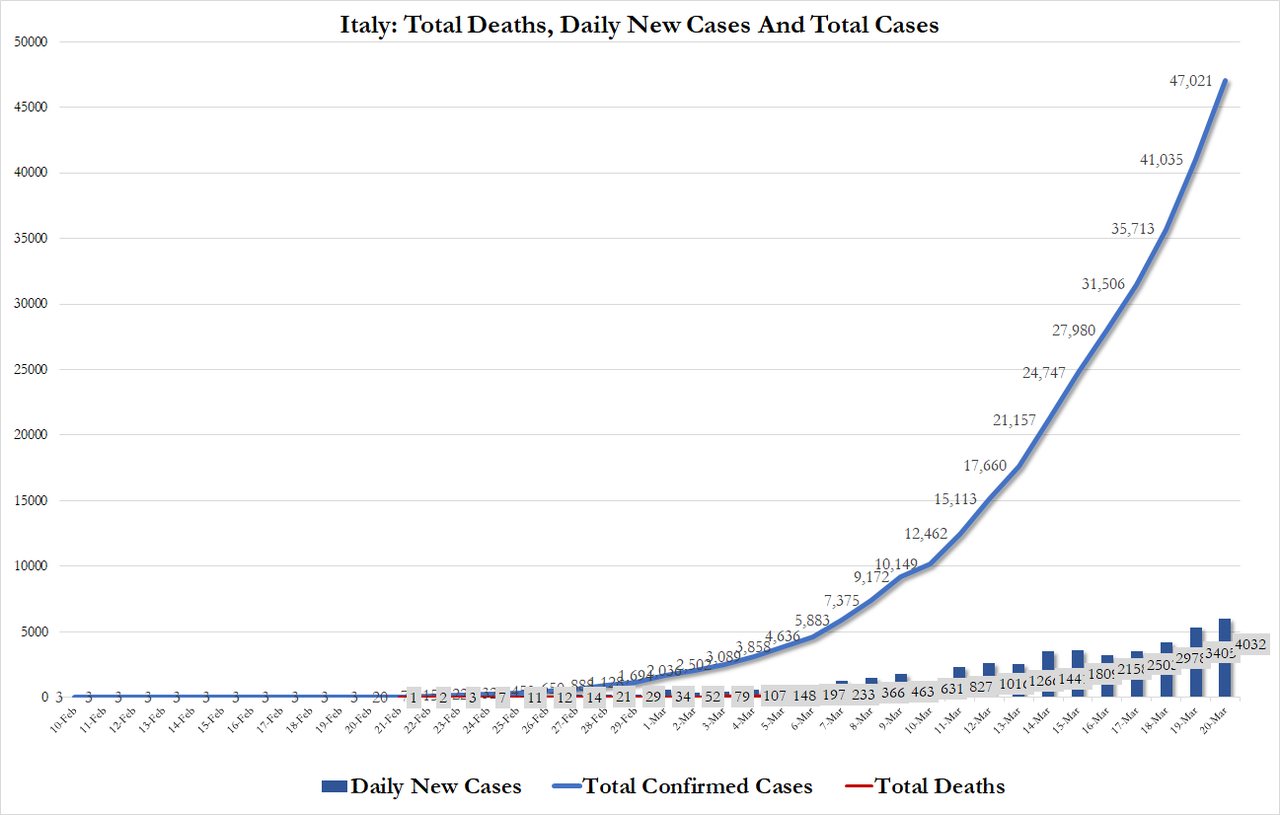
Update (1320ET): As Italy’s worst outbreak spirals further and further out of control, Italy is reporting 5,986 new cases of coronavirus and 627 new deaths on Friday, raising the countrywide total to 47,021 cases and 4,032 dead, as the total number of cases in Europe surpasses the total ‘officially’ confirmed in China.
If you’re curious about how things are looking on the ground in Italy, this Channel 4 report is chilling.
* * *
Update (1240ET): In an alarming video that shows just how huge demand is for COVID-19 tests, a drive-thru testing site in Bergen County has a line that’s “several thousand cars long”.
* * *
Update (1220ET): As President Trump and the White House task force (with Dr. Fauci making an appearance today) update the country on the federal government’s efforts, Sec. of State Pompeo said that the US and Mexico had agreed to shut the southern border with Mexico..
In other news, drug company Novartis will donate up to 130 million doses of hydroxychloroquine to support the global virus response, according to a statement.
Trump also said that he probably won’t ever institute a national lockdown, feeling that decisions like that are better left up to the states. Across the Atlantic, the EU on Friday confirmed that it would expand its budget rules to open the floodgates to fiscal stimulus, as expected.
* * *
Update (1120ET): The morning after California laid out the most restrictive measures to combat the virus in the US, NY Gov. Andrew Cuomo on Friday laid out new measures for New York State to combat the coronavirus outbreak, imposing new restrictions like ordering “100% of the workforce” to stay home.
During this time, Cuomo is order all businesses in the state that aren’t deemed “essential” to close, and added that though public transit will remain open for people who need it to travel to their ‘essential’ jobs, and to get to places like hospitals and doctors offices and grocery stores and pharmacies, he urged New Yorkers to only take the trains if absolutely necessary. Cuomo also clarified that bank ATMs are an ‘essential’ service.
All non-essential businesses must close, Cuomo and NYC Mayor de Blasio have said that the state will find better ways to accommodate essential employees who need childcare or other things. But Cuomo threatened to fine businesses and individuals caught breaking the rules.
“These are not helpful hints…they will be enforced. There will be a civil fine and mandatory closure for any business that is not in compliance. Again, your actions can affect my health, that’s where we are. There is a social compact that we have…we must make society safe for everyone,” Cuomo said about the executive action that he’s preparing to sign.
New York reported 2,950 new cases on Friday, bringing the state-wide total to 7,102 cases, with 4,408 cases in NYC.
As he chided the public for not taking the outbreak seriously enough, Cuomo declared that young people saying they can’t get the virus is “simply wrong,” claiming that 25% of cases are people ages 20-44.
When it comes to exercise, though gyms will be closed, Cuomo said New Yorkers can engage in ‘solitary’ activities like jogging, but said games of pickup basketball and team sports like that won’t be permitted.
During the press conference, Cuomo confirmed that the state had reached the capacity to test 10,000 New Yorkers a day, becoming perhaps the only state in the country to overshoot on its daily testing target of 6k tests. Along with these new ‘dramatic actions’, Cuomo announced more confirmed cases and deaths.
Cuomo told a story about how the city governments of St. Louis and Philadelphia during the Spanish Flu epidemic dramatically impacted the outcomes for their local populations, and that Cuomo was trying to follow the better example, before bringing up the issue of mental health and the fact that his daughter was forced to isolate for 2 weeks.
At any rate, looking at the case curve, the number of cases expected could triple the state’s capacity of beds and ventilators needed to save the lives of the sickest of patients.
The governor, who urged New Yorkers to “blame me” if things go badly with these measures, claiming that this decision was his after careful consideration and consultation with experts. “I did everything we could do…this is about saving lives…if everything we do saves just one life, I’ll be happy,” Cuomo said.
Moving on, Cuomo declared that he was banning evictions during the crisis, building on measures prohibiting banks from engaging in foreclosure, another unprecedented step.
In keeping with Cuomo’s coordination with the governors of New Jersey and Connecticut, Cuomo said he would be speaking with Phil Murphy and Ned Lamont, the governors of NJ & CT, later in the day to discuss his measures and whatever can be done to continue coordinating their states’ responses. Rumors have circulated in recent days that a similar lockdown might be declared in CT.
Asked by reporters how long to expect these circumstances to remain in place, Cuomo declared that “this could go on for months”, one day after saying researchers projected that the outbreak would peak in 45 days.
Watch the rest of the press conference here:

From the sound of it, Cuomo’s actions are still being well-received by New Yorkers and the country.

Elsewhere, in Switzerland, public health officials barred all gatherings of more than 5, possibly the most strict gathering ban instituted anywhere around the world.
* * *
Update (1055ET): Meanwhile, in London…
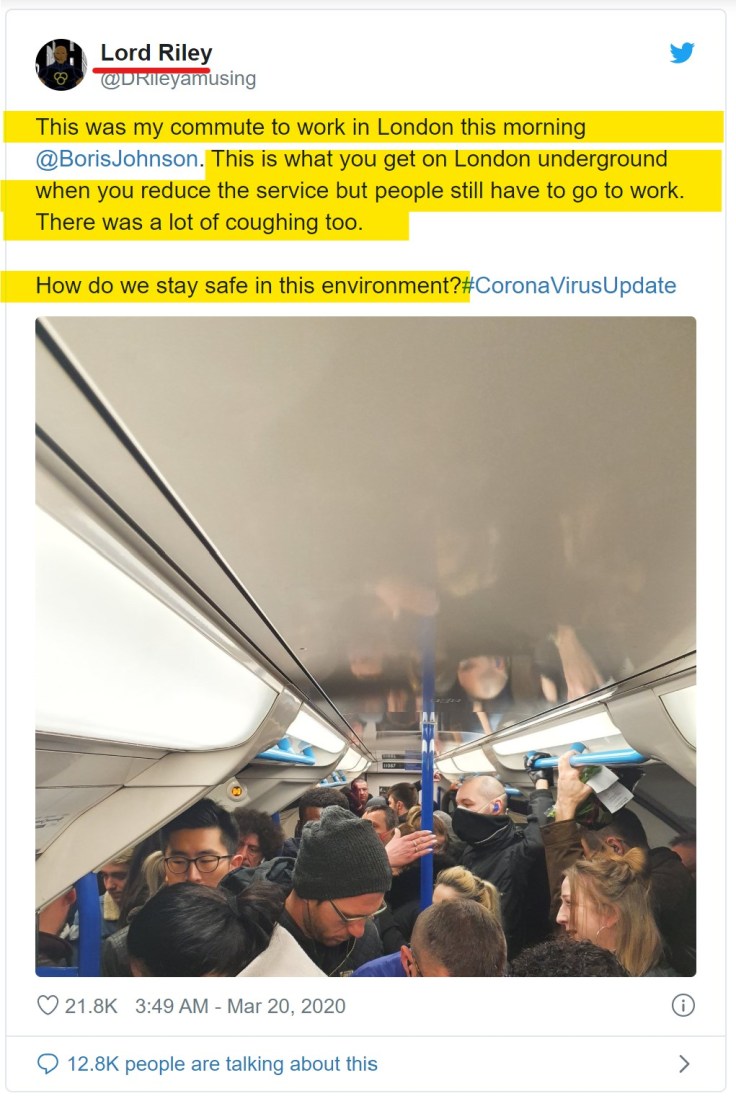
Boris Johnson‘s government has continued to deny reports about an impending ‘lockdown’ of London. But with 10k troops on standby, we suspect that Italy might soon have some company in the ‘martial law’ department.
* * *
Update (1015ET): The Treasury has officially moved back ‘Tax Day’, by postponing both the payment deadline (which it announced earlier) and the filing deadline (which it just announced Friday morning).
In other news, an NBC News employee has died from COVID-19.
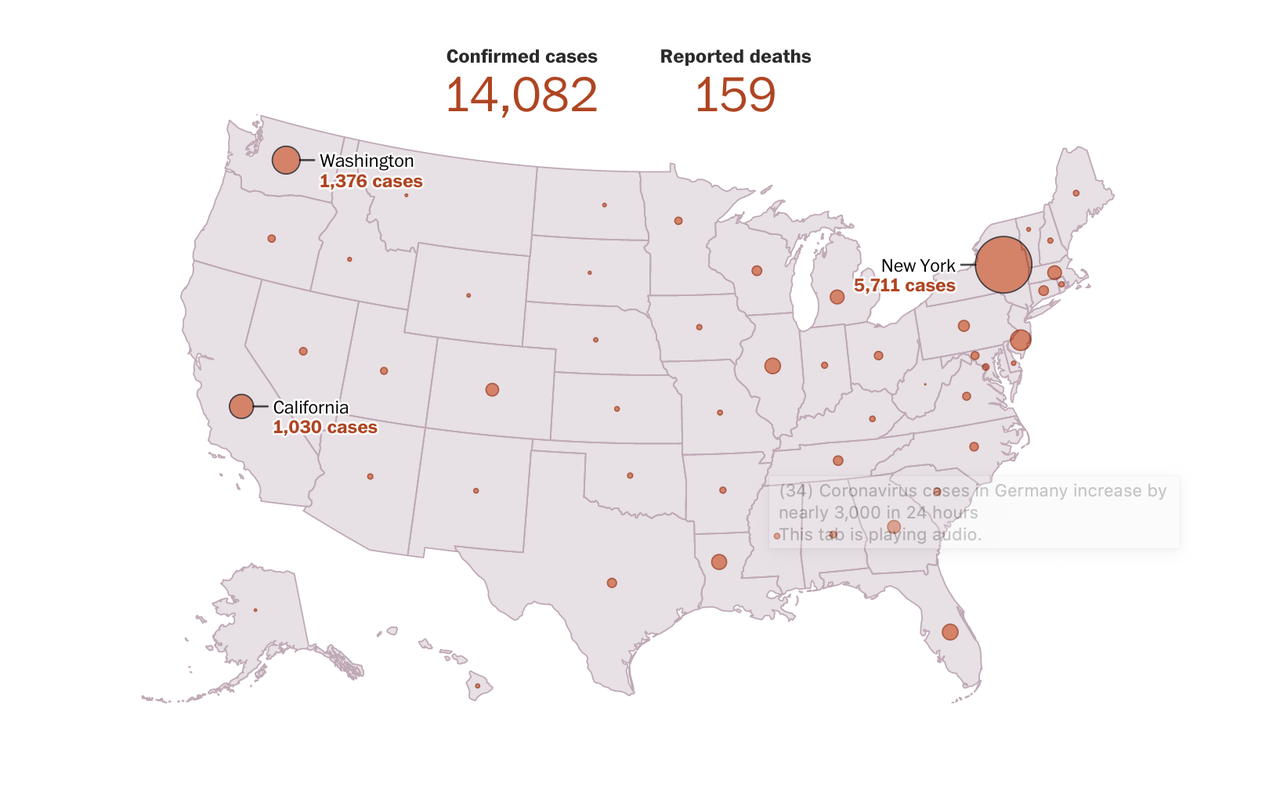
As an update: Confirmed cases in the US passed 14,000 Friday morning, while the number of confirmed deaths hit 160.
* * *
Update (0950ET): The market didn’t seem to care all that much, but Handelsblatt reported Friday that the German government is planning to pass a planned €200 billion budget to combat the crisis, as Berlin continues to facilitate mass testing and triaging that has kept its mortality rate among the lowest in Europe.
This comes after Germany car companies said they would close more factories.
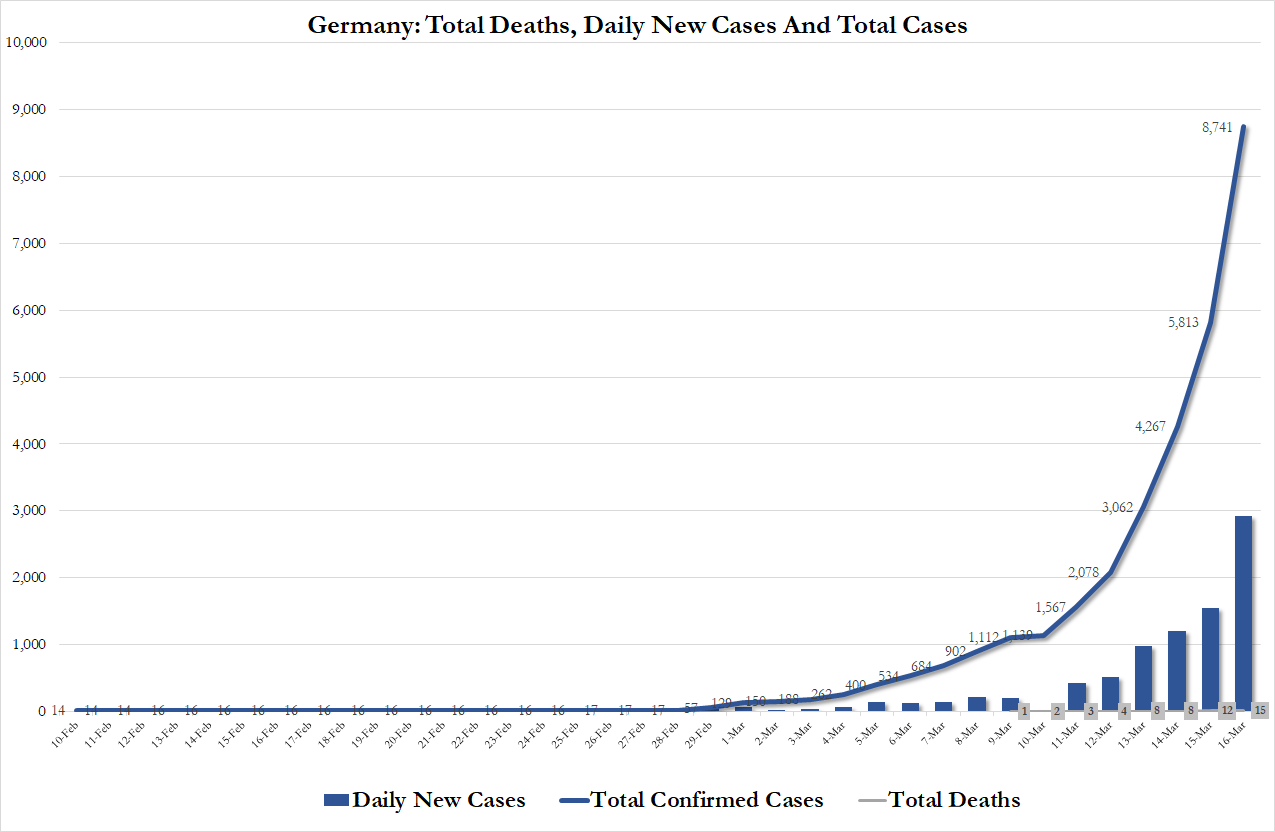
Barely a day has gone by over the past two new weeks that there hasn’t been some report about Germany suspending its ‘debt brake’ due to the crisis and boost fiscal spending, as Christine Lagarde and the ECB have called on them to do. Even before the outbreak, reports about Germany passing a ‘shadow budget’ to boost tepid economic growth date back to at least the fall.
Germany’s outbreak began in the state of Bavaria, still its worst-hit region. And as governments around the world tighten restrictions on movement, Bavaria on Friday imposed new “fundamental restrictions” on public life to aid the fight against COVID-19, DW reports. The move, of course, comes less than 12 hours after the governor of California imposed similar measures.
“We’re shutting down public life almost completely,” Bavarian Minister President Markus Söder said.
People will only be allowed to leave their homes for necessary purposes, such as going to work or the doctor and buying groceries or medicine.
“It’s not easy to take these decisions,” Söder said. “We take these decisions according to the best of our knowledge and conscience. There will be a Bavaria after corona, but it will be a stronger one if we don’t look away.”
The measures will go into effect for two weeks starting Friday evening.
In other news, the German state of Saarland wants to shut down restaurants and restrict people from going out in public, moves that are similar, though somewhat less restrictive, than Bavaria. Saarland State Premier Tobias Hans will recommend the move to his cabinet this afternoon, the state chancellery confirmed.
* * *
Update (0945ET): Six weeks ago, many branded us ‘alarmists’ for publishing warnings by credible epidemiologists and virologists about the infectious potential of the novel coronavirus.

If you still believe those warnings were ‘alarmist’, we wish you the best of luck during the coming weeks. You’re going to need it.
* * *
Update (0928ET): The US military just confirmed that 35 American troops in Europe have tested positive.
Meanwhile, the FCA in the UK warned banks to ease up on repossessions and the like, issuing a statement claiming that “no responsible lender should be considering repossession as an ‘appropriate measure’ at this time. This comes after BoE Governor Bailey warned that banks should suspend foreclosures and repossessions.
Though it’s faded into the background, tensions over whether China would be able to keep up with its ‘Phase 1’ trade deal commitments have slackened somewhat now that Beijing has made its first expected purchase of US agricultural goods.
* * *
Update (0850ET): Prime Minister Giuseppe Conte blamed the Italian people earlier this week when he said he would extend Italy’s nationwide lockdown until April 3, claiming that too many were still violating the lockdown despite stiff penalties.
As the country’s death toll passes the death toll from mainland China (or the ‘official’ death toll at least), whispers about even restrictive measures appear to have just been validated: Prime Minister Giuseppe Conte on Friday effectively declared martial law Friday morning in Italy’s worst-hit region of Lombardy, claiming that he will now be bringing in the Army to enforce the lockdown, something that the region’s governor swiftly confirmed.

As many members of the Italian public continue to act with no respect for protecting the public health and the massive effort underway to contain the outbreak, for the first time, many are about to learn the meaning of discipline.
According to media reports, Conte is considering extending the lockdown until at least early May.
Ultimately, whether the government decides to extend the lockdown will depend on factors like the continuing spread of the virus, as well as the public’s response, and whether Italians finally start taking this seriously.
At this point, many expect that schools will not reopen before the summer break, the that the further tightening may not only include a ban on outdoor, but might also prohibit Italians from the cherished “passeggiate,” leisurely strolls around town that allow one time to think and digest.
While the Italian outbreak still has no end in sight, over in the US, Dr. Anthony Fauci said Friday morning that social distancing in the US should continue for ‘several’ more weeks, as officials scramble to try and discern exactly how far the virus has penetrated, as hundreds of thousands of tests arrive at labs. Last night, during an appearance on Facebook live, Dr. Fauci confirmed that more tests are being shipped as private partnerships with firms like Thermo Fisher.
Reports claimed Friday that the Italian Treasury now expects the country’s economy to contract by 3% this year, largely because of the lockdown.
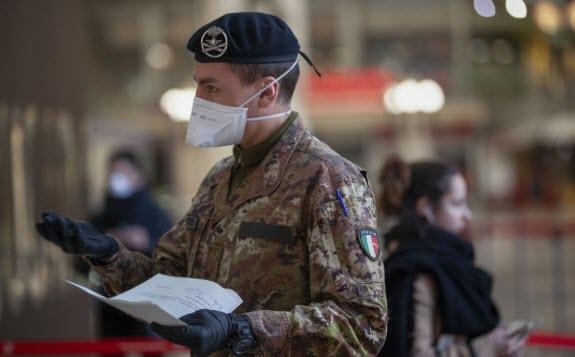
Soldiers have already been deployed in some places to help enforce the lockdown and help with the crisis response.
New York’s MTA on Thursday announced that 23 workers have tested positive for the virus, this is up from just 1 worker as of early Thursday. The workers didn’t display symptoms at work and were described as being of low risk to riders.
In other central bank news, the SNB has announced more measures, while Sweden has expanded a loan guarantee program.
Meanwhile, as Boris Johnson’s government facilitates a policy u-turn to fight the virus, his former Chancellor is chiding the public on twitter.

At this point, it’s almost like the more you yell at them to stop, the more panicked they become.
* * *
When historians look back at this time, we suspect that California Gov. Gavin Newsom’s landmark decision to order more than 40 million Californians to remain at home on Thursday night will be remembered as an important demarcation point – the beginning of a more heavy handed response as it becomes increasingly clear that too many Americans are simply ignoring the government.
So far, NY Gov. Andrew Cuomo and President Trump have insisted that they have no plans to issue lockdown orders. But with the number of confirmed cases expected to soar in the coming days and over the weekend, the situation is certainly evolving rapidly, and rumors about other states considering preemptive lockdowns (remember, the whole point is to stay “ahead of the curve”) continue to circulate.
Over the past week, central bankers around the world have slashed rates, stepped up bond buying programs, promised to expand their back-stopping of credit markets and – most importantly – urged the politicians in charge to do their part and pass massive fiscal stimulus. Late last night, the Senate unveiled a $1 trillion package that will feature direct transfers to many Americans.
In the US, futures are pointing higher amid mounting hopes for a second straight close in the green. The improved sentiment is ostensibly due to the latest wave of central bank interventions. But that didn’t stop a team of economists at Bank of America from releasing a new note calling for a global recession, with GDP growth dropping to 0% for the year in 2020. Explaining the shift in their thinking, the team wrote: “Our first piece on the virus shock was titled ‘Bad or worse’; now we amend that to ‘Really bad or much worse.'”
The World breathed a sigh of relief Thursday night when China reported no new domestically-transmitted cases of the coronavirus for a second straight day. Meanwhile, Reuters just reported that the foreign ministers of South Korea, China and Japan have held a video conference on Friday to discuss cooperation on the coronavirus pandemic as concerns grow about the number of infected people arriving in their countries from overseas, threatening to set off a second wave of infection. The State Department is doing its part: It issued a ‘Level 4’ travel warning last night advising Americans not to travel abroad, and for any Americans still outside of the country to either come home, or ‘shelter in place’.
In the UK, Prime Minister Boris Johnson said last night that the UK could quash the virus in 12 weeks if Britons simply cooperate with the government’s new efforts.
Unfortunately, it appears the dreaded ‘second wave’ of infections is already looming over Hong Kong.
After reporting 14 new cases in a single day earlier this week, a surprisingly large jump for a city that was widely praised for its swift and heavy handed response to the outbreak (proving that the city had retained the hard-learned lessons of SARS), Hong Kong on Friday reported a record jump in new cases as the city-state braces for a wave of new illnesses, many involving travelers from abroad and the HK residents they’ve infected.
Friday’s surge of 48 cases is the largest daily jump since the outbreak began; it’s equivalent to roughly a quarter of all cases confirmed in the city previously, according to the SCMP.
Even as the virus swept through parts of China and elsewhere in the region, Hong Kong managed to largely control its outbreak. Now, as life in the financial center had begun to return somewhat to normal, the wave of new cases is worrying experts who say it could lead to widespread community transmission. The city now has more than 250 confirmed infections.
The new confirmed cases take the city’s total number to 256, and a top microbiologist said Hong Kong might be on the edge of an all-out “war” against an explosion in infections.
The Centre for Health Protection said 36 of the latest round of infected people, aged between four and 69, had a travel history. One of the local cases is a taxi driver who had picked up passengers from the airport.
When asked whether the government should ban non-locals from entering the city, Dr Chuang Shuk-kwan, head of the centre’s communicable disease branch, said all the fresh infections were residents, except one – an Australian who had been to the United States and Portugal. He was transiting at the airport and sent to hospital after feeling unwell.
As SCMP explained, 1,000s of people returned to the city this week, with new asymptomatic spreaders evading checks and spreading the virus inside the city. The spike in new cases prompted the city’s government to announce new quarantine measures requiring anyone arriving from abroad to self-isolate for 14 days, measures that have also been implemented by China. Also in China, the People’s Daily reports that catering halls and shopping malls are reopening in Beijing.
Whether you trust the Chinese numbers or not, there’s no question that the CCP leadership has reason to be cautious, now that it appears President Xi has evaded a historic embarrassment. According to Johns Hopkins, the number of confirmed cases ROW is now 2x the number from mainland China. Mandatory quarantines and outright bans for foreigners probably aren’t bad ideas.
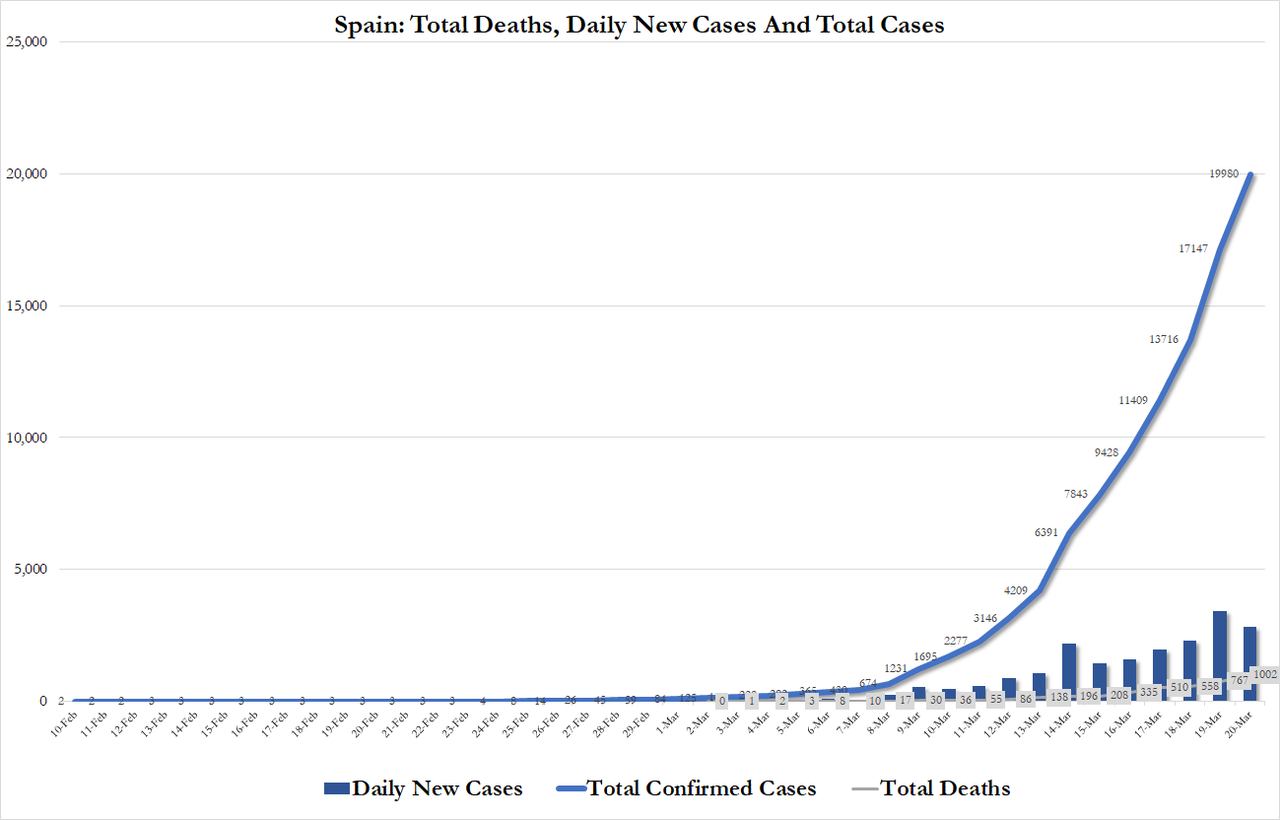
Meanwhile, Spanish authorities announced Friday morning that the death toll in the country has broken above 1,000 as citizens near the end of their first full week under an enforced lockdown.
The country reported 1,903 new cases, and 169 new deaths, raising its total to 19,980 cases and 1,002 dead.
Meanwhile, on social media, snippets of video have circulated offering glimpses into the life on lockdown in Madrid and elsewhere around Spain.
Since the first case of COVID-19 was confirmed in the US, there has been no shortage of bitterly ironic headlines during this outbreak (remember when Rudy Gobert licked all those microphones?). But overnight, Altria Group – one of the largest tobacco companies in the world (it was better known as Phillip Morris before it rebranded a few years back) – said Howard A. Willard III, its Chairman and CEO, has tested positive for COVID-19.
Let’s hope he’s not a smoker.


 Tom's Blog